Articles, Blogs, Interviews and News
Public relations for the audio, broadcast and entertainment industries
Articles
The Challenges of Working from Home - an Engineers Perspective
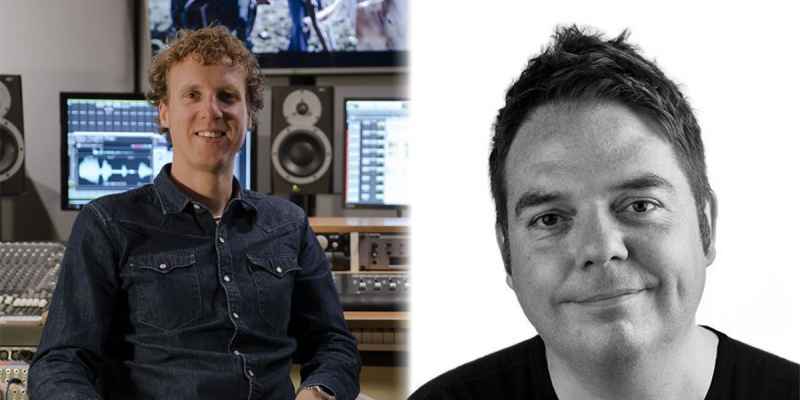
It is common for sound engineers to have a professional studio set up at home but now that we are being expected to work from home, for some the demand on workload has changed somewhat. I spoke to Dave Robinson, Head of Sound, at Creative Outpost and Thomas Dalton owner of Brown Bear Audio, to find out the key challenges with working from home.
“In the anticipation of working from home, a lot of technical preparation had to be done” said Robinson. “This involved designating capable machines and prepping them with Pro Tools etc, followed by heavy testing to make sure everything was covered when the time came to leave the building. It is not uncommon for the home setup to not be quite up to the standard of the main workplace studio but to help alleviate the issue many have EQ’d monitor output using tried and tested mixes to match the workplace studio as best as possible.”
For non-recording work such as editing, track laying, sound design, pre-mixing etc, there have been a few challenges. “Acoustics are a big problem said Robinson.” When monitoring in the studio engineers know just how things should sound. Trying to recreate this at home can be difficult. Some engineers are doing pre-mixes at home using headphones and then checking them in the studio, adhering to social distancing of course.”
Internet speeds are also a big problem. Residential broadband is only a fraction of the speed compared to business and it is usually throttled in the upload direction. Speed at the studio is often around 800mbps up and down compared to 80mbps down and 30mbps up at home so things are taking a lot longer which has to be factored in.
Although these are major concerns, there are other hurdles to overcome including communication. Where sessions with voiceover artists and clients were taking place in the same room allowing open discussion for the job in hand there has been the need to become remotely connected using software like Source Connect and Zoom. Some are finding it possible to record ‘down the line’ whilst others still need to be in the studio. Those able to record ADR remotely are finding it possible to run a Pro Tools session and picture in time with the original recording to see if the ADR is in sync, has the right tone and pitch.
Team communication hasn’t really changed much. Daily team meetings over Zoom etc appear to be proving pretty effective and help to keep people on track and identify issues before they become a problem.
“Many of us are now balancing work life with childcare meaning that much of the work is being pushed into the evenings” added Dalton. “This in turn can affect motivation. As we progress further in lockdown we are certainly missing the human contact. That feeling of being trapped inside and not being able to get away from a situation or have the option to go out and break the day up with the usual social meet ups is creating that feeling if cabin fever. However, we are speaking to friends a lot more virtually to help with feeling connected; talking through things and hearing from other people in the same situation which is always reassuring.”
It has taken a bit of getting used to for all of us but slowly and surely it’s becoming the new norm (albeit for only a brief period, we all hope). Overcoming challenges is part of the job and although this is quite a significant one we will navigate and come out stronger on the other side.